Danzón
El danzón fue el primer baile nacional de Cuba — la forma que unificó la identidad de la música popular cubana a finales del siglo XIX y principios del XX, y el antepasado del mambo, el cha-cha-chá y, en última instancia, la timba.
Nacimiento: 1879
El 1 de enero de 1879, en el salón de baile El Liceo de Matanzas, la orquesta de Miguel Faílde estrenó una nueva pieza: "Las Alturas de Simpson." Esta es oficialmente reconocida como el primer danzón.
Faílde era un músico y compositor mestizo de Matanzas — una ciudad con una vida cultural afrocubana excepcionalmente rica. Su danzón absorbió tanto la tradición del salón europeo ( contradanza, danza) como las corrientes rítmicas africanas que circulaban por la música de Matanzas. El resultado fue algo nuevo: más fluido que la danza, más complejo, más sensual.
Fue un escándalo inmediato y una sensación inmediata.
El baile
El danzón tenía una estructura única como forma de baile:
- El paseo — la sección de apertura, donde las parejas caminaban juntas por la pista sin bailar, exhibiéndose socialmente
- La pausa — la música se detiene; las parejas se abanican, conversan, descansan
- El baile — cuando la música entra con el tema principal, las parejas comienzan a bailar, moviéndose muy juntas
- Repetición — las secciones se alternaban, con pausas entre ellas
Esta estructura de arranque y parada no se parecía a ningún otro baile popular. Las pausas eran parte del ritual social: se podía ver quién bailaba con quién, hacer contacto visual, cambiar de pareja. El danzón era tanto teatro social como baile.
El baile en sí era íntimo — las parejas muy juntas, los movimientos sutiles y liderados por las caderas, el cuerpo comprometido desde la cintura hacia abajo de una manera que los bailes europeos no habían permitido.
El danzón era interpretado por el conjunto de charanga francesa — un formato que se convirtió en el estándar para la música de baile cubana durante la primera mitad del siglo XX:
- Flauta (voz melódica principal)
- Violines (textura armónica y melódica)
- Piano (armonía y ritmo)
- Bajo (línea de bajo)
- Güiro (raspador rítmico)
- Timbales (percusión — las pailas criollas que reemplazaron los timbales europeos)
Este sonido — flauta y violines sobre percusión — es inmediatamente reconocible como charanga cubana. Definió el danzón, el danzonete y más tarde el cha-cha-chá.
Evolución
El danzón no se quedó quieto:
- Décadas de 1910–1920: Se añadió una nueva sección final (nuevo ritmo) con mayor intensidad rítmica — esto era el proto-montuno, y abrió la puerta a la influencia del son
- 1929: Aniceto Díaz añadió voces y lo llamó danzonete — tendiendo un puente entre el danzón y el son
- Finales de los años 30: Arcaño y Sus Maravillas (con el bajista Cachao López) desarrolló la sección del diablo — una sección final más rápida y sincopada que llamaron "mambo" — y el danzón comenzó a transformarse en algo completamente diferente
Contexto social
El danzón no era solo entretenimiento — era una institución social. Los salones de baile (academias de baile) eran algunos de los únicos espacios en el Cuba colonial y republicano temprano donde los cubanos afrodescendientes y los blancos se mezclaban públicamente. La política racial de quién bailaba con quién, en qué salón, en qué club social, era profundamente compleja y profundamente sentida.
Legado
El danzón estableció el molde sobre el que cada género popular cubano posterior se edificó:
- El conjunto de charanga (aún activo hoy)
- El concepto de montuno/nuevo ritmo — una sección final abierta y de intensa rítmica
- El salón de baile como institución social
- El principio de que la música cubana podía absorber la forma europea y transformarla en algo inconfundible y poderosamente cubano
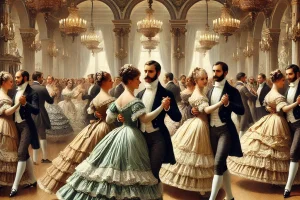
La contradanza fue la primera forma de danza de origen europeo que echó raíces en Cuba y comenzó a transformarse bajo la influencia africana. Es el punto de partida del linaje del baile de salón cubano que eventualmente produciría el danzón, el mambo y el cha-cha-chá.
Lees meer >La danza fue el paso evolutivo entre la contradanza y el danzón — un baile de pareja más íntimo y más cubanizado que dominó los salones habaneros en la segunda mitad del siglo XIX.
Lees meer >La Rumba es la más arraigada en lo africano de todas las formas de música y danza cubanas — nacida en las calles, los patios y los muelles de La Habana y Matanzas a finales del siglo XIX, sin instrumentos europeos, sin ambiente de salón y sin pretensión alguna de decoro europeo.
Lees meer >El danzón fue el primer baile nacional de Cuba — la forma que unificó la identidad de la música popular cubana a finales del siglo XIX y principios del XX, y el antepasado del mambo, el cha-cha-chá y, en última instancia, la timba.
Lees meer >El cha-cha-chá nació de una simple observación: los bailarines tenían dificultades para seguir el mambo. Su creador les dio un ritmo que podían sentir en los pies — y el resultado se convirtió en uno de los estilos musicales más bailados de la historia.
Lees meer > Timba is the music this site is dedicated to exploring. It emerged as a distinct genre in the late 1980s and crystallized in the early 1990s — born in a moment of social crisis, built on the full accumulated history of Cuban music, and still evolving today.
Lees meer >El baile de son es la base de toda la danza popular cubana de pareja — suave, íntimo, arraigado y musical. Cada estilo de baile cubano que siguió ( mambo, casino, timba) se basa en el vocabulario corporal y la estructura establecidos por el son.
Lees meer >Danzonete es la evolución cantada del danzón — el puente entre el danzón puramente instrumental del siglo XIX y principios del XX y la música popular vocal que vendría después.
Lees meer >Un género de música popular bailable cubana que surgió en los años 1980–90
- Surgió en los años 1980–90
- Influenciado por el songo, la rumba, el funk, el blues, el jazz, el pop, el rock y los ritmos afrocubanos.
- Conocido por sus complejos cambios de ritmo, líneas de bajo agresivas y alta energía que impulsan a los bailadores a improvisar.
Lees meer >Montuno
La cencerro ( campana)
🛎️ 1. Rol general de la campana
🎹 2. Sección de Montuno
El montuno es la sección de call-and-response hacia el final de una pieza de salsa o son, donde todo se abre rítmicamente.
- El patrón de campana se vuelve estable y propulsor, a menudo el patrón de "campana de salsa":
(Golpes en 1, el "&" del 2, 4 y el "&" del 4)
- El bongocero cambia de los tambores de mano a la campana en este punto.
- La campana marca el tiempo sobre la clave y apoya el patrón de piano del montuno, el tumbao del bajo y los riffs de metales.
Así:
🕐 Campana = marcador de tiempo
🎹 Piano = síncopa
🎺 Metales/voces = call & response
- Literalmente "marcha abajo" — esta sección es más calmada, generalmente antes del montuno.
- La campana normalmente no se toca aquí.
En cambio, se escuchan principalmente congas, bongós y timbales en instrumentos más suaves como la cáscara (patrón en el aro del timbal).
- El ritmo es más sutil, dejando espacio para la voz o el contenido melódico.
Así:
En marcha abajo, la campana descansa o toca suavemente (si acaso), y el énfasis rítmico recae en la cáscara o el bongó martillo.
- "Marcha arriba" — significa que el groove se intensifica.
- La campana entra con fuerza, marcando el pulso principal.
- El timbalero suele tocar la campana grande ( campana), mientras que el bongocero puede tocar la campana más pequeña para contraste.
- Esta sección trata de energía e impulso — el clímax del baile.
Así:
En marcha arriba, la campana lidera la sección rítmica, sincronizándose con el bajo y la clave para impulsar la música hacia adelante.
🧭 Tabla resumen
| Sección |
Quien toca la campana |
Función |
Patrón típico |
Energía |
| Marcha abajo |
Normalmente silenciosa o suave (cáscara en su lugar) |
Mantiene el groove sutil |
Cáscara en timbales |
Bajo–Medio |
| Montuno |
Bongocero ( campana pequeña) |
Mantiene la línea de tiempo del montuno |
Patrón de campana de salsa |
Medio–Alto |
| Marcha arriba |
Timbalero ( campana grande) |
Impulsa el ritmo, energía pico |
Campana de salsa (más fuerte, más pesada) |
Alto |
¿Quieres que añada notación rítmica (en alineación de clave 2–3 y 3–2) para el patrón de campana de cada sección? Eso puede facilitar la visualización de cómo encaja con el resto de la sección rítmica.
El baile de son es la base de toda la danza popular cubana de pareja — suave, íntimo, arraigado y musical. Cada estilo de baile cubano que siguió (mambo, casino, timba) se basa en el vocabulario corporal y la estructura establecidos por el son.
Lees meer >Montuno
La cencerro (campana)
🛎️ 1. Rol general de la campana
🎹 2. Sección de Montuno
El montuno es la sección de call-and-response hacia el final de una pieza de salsa o son, donde todo se abre rítmicamente.
- El patrón de campana se vuelve estable y propulsor, a menudo el patrón de "campana de salsa":
(Golpes en 1, el "&" del 2, 4 y el "&" del 4)
- El bongocero cambia de los tambores de mano a la campana en este punto.
- La campana marca el tiempo sobre la clave y apoya el patrón de piano del montuno, el tumbao del bajo y los riffs de metales.
Así:
🕐 Campana = marcador de tiempo
🎹 Piano = síncopa
🎺 Metales/voces = call & response
🔻 3. Marcha Abajo (sección baja)
- Literalmente "marcha abajo" — esta sección es más calmada, generalmente antes del montuno.
- La campana normalmente no se toca aquí.
En cambio, se escuchan principalmente congas, bongós y timbales en instrumentos más suaves como la cáscara (patrón en el aro del timbal).
- El ritmo es más sutil, dejando espacio para la voz o el contenido melódico.
Así:
En marcha abajo, la campana descansa o toca suavemente (si acaso), y el énfasis rítmico recae en la cáscara o el bongó martillo.
🔺 4. Marcha Arriba (sección alta)
- "Marcha arriba" — significa que el groove se intensifica.
- La campana entra con fuerza, marcando el pulso principal.
- El timbalero suele tocar la campana grande (campana), mientras que el bongocero puede tocar la campana más pequeña para contraste.
- Esta sección trata de energía e impulso — el clímax del baile.
Así:
En marcha arriba, la campana lidera la sección rítmica, sincronizándose con el bajo y la clave para impulsar la música hacia adelante.
🧭 Tabla resumen
| Sección |
Quien toca la campana |
Función |
Patrón típico |
Energía |
| Marcha abajo |
Normalmente silenciosa o suave (cáscara en su lugar) |
Mantiene el groove sutil |
Cáscara en timbales |
Bajo–Medio |
| Montuno |
Bongocero (campana pequeña) |
Mantiene la línea de tiempo del montuno |
Patrón de campana de salsa |
Medio–Alto |
| Marcha arriba |
Timbalero (campana grande) |
Impulsa el ritmo, energía pico |
Campana de salsa (más fuerte, más pesada) |
Alto |
¿Quieres que añada notación rítmica (en alineación de clave 2–3 y 3–2) para el patrón de campana de cada sección? Eso puede facilitar la visualización de cómo encaja con el resto de la sección rítmica.
Los términos "marcha abajo" y "marcha arriba" describen diferentes niveles de energía o secciones dentro del montuno.
Lees meer >The terms "marcha abajo" and "marcha arriba" describe different energy levels or sections within the montuno.
Lees meer >
La clave es un patrón rítmico fundamental y principio organizador de la música cubana. Funciona tanto como patrón musical como concepto rector, profundamente arraigado en las tradiciones afrocubanas.
Lees meer >
El bongo es un par de tambores pequeños de fondo abierto que se toca con los dedos y las palmas. Se originó en el oriente de Cuba y se convirtió en una de las voces percutivas definitorias del son y la timba.
Lees meer >
El bongo es un par de tambores pequeños de fondo abierto que se toca con los dedos y las palmas. Se originó en el oriente de Cuba y se convirtió en una de las voces percutivas definitorias del son y la timba.
Lees meer >
Cómo bailar con la Campana (Cowbell)
En la timba y el songo cubanos, la campana (cowbell) no es solo un ritmo — es un sistema de comunicación entre la banda y los bailarines.
Lees meer > 
La conga (también llamada tumbadora) es el tambor de mano principal de la música cubana y la columna vertebral rítmica de la timba, el son, la rumba y la salsa.
Lees meer >Los timbales ( pailas criollas) son un par de tambores poco profundos con casco metálico montados sobre un soporte y tocados con baquetas de madera. Son el motor rítmico de las orquestas de charanga y desempeñan un papel fundamental en la timba.
Lees meer >El piano es el corazón armónico y rítmico de la música popular cubana. En la timba, es uno de los instrumentos más exigentes y expresivos del conjunto.
Lees meer >El piano es el corazón armónico y rítmico de la música popular cubana. En la timba, es uno de los instrumentos más exigentes y expresivos del conjunto.
Lees meer >Mambo
En la música cubana, especialmente en la salsa y el son,
la sección de "mambo" generalmente se refiere a una pausa instrumental intensa y rítmicamente potente,
que a menudo presenta líneas de metales repetitivas, patrones de call-and-response y energía que va aumentando hacia el clímax de una canción.
El baile de son es la base de toda la danza popular cubana de pareja — suave, íntimo, arraigado y musical. Cada estilo de baile cubano que siguió (mambo, casino, timba) se basa en el vocabulario corporal y la estructura establecidos por el son.
Lees meer >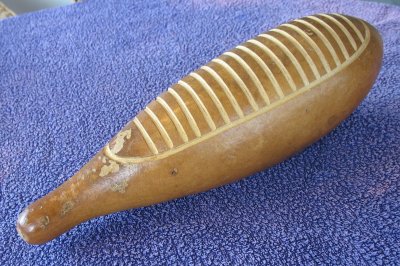
El güiro es una calabaza con muescas que se raspa con un palillo o un tenedor para producir un sonido rasposo y rítmico. Es un elemento habitual de las orquestas de charanga y ocupa un lugar central en el danzón, el cha-cha-chá, el son y la salsa.
Lees meer >Los timbales ( pailas criollas) son un par de tambores poco profundos con casco metálico montados sobre un soporte y tocados con baquetas de madera. Son el motor rítmico de las orquestas de charanga y desempeñan un papel fundamental en la timba.
Lees meer >Los timbales ( pailas criollas) son un par de tambores poco profundos con casco metálico montados sobre un soporte y tocados con baquetas de madera. Son el motor rítmico de las orquestas de charanga y desempeñan un papel fundamental en la timba.
Lees meer >El piano es el corazón armónico y rítmico de la música popular cubana. En la timba, es uno de los instrumentos más exigentes y expresivos del conjunto.
Lees meer >El piano es el corazón armónico y rítmico de la música popular cubana. En la timba, es uno de los instrumentos más exigentes y expresivos del conjunto.
Lees meer > Cuba is the largest island in the Caribbean and the birthplace of some of the world's most influential music and dance traditions. African, Spanish, and French cultural streams collided here over centuries of colonial history, producing an extraordinary creative culture that exported itself across the globe.
Lees meer >The following dances have their origin in Matanzas: