David Calzado
Founder of Charanga Habanera — David Calzado led one of the most provocative and popular timba"> timba bands of the 1990s, pushing the genre's energy and street credibility to new levels.
About
Calzado founded Charanga Habanera in 1988, initially in the traditional charanga format before transforming it into one of the most aggressive and high-energy timba"> timba bands in Havana. The band was known for its raw street energy, explicit lyrics, and the despelote dancing style it helped promote among Havana youth.
Charanga Habanera was temporarily suspended by Cuban cultural authorities in 1997 following a controversial performance at the Havana Festival. The incident highlighted the tensions between the Cuban government and the rawer, more sexualized elements of timba"> timba culture. The band reconstituted and continued, remaining a significant presence in Cuban popular music.
A Cuban popular dance music genre that emerged in the 1980s–90s
- emerged in the 1980s–90s
- influenced by songo, rumba, funk, blues, jazz, pop, rock and Afro-Cuban rhythms.
- Known for complex rhythm shifts, aggressive bass lines, and high energy that push dancers to improvise.
Lees meer >Dances
- Danzón – The quintessential Cuban ballroom dance, elegant and formal, often seen as the "national dance of Cuba."
- Danzonete – A sung variant of danzón that became popular in the 1920s–30s.
- Cha-cha-chá – Created in the 1950s by Enrique Jorrín while playing with a charanga; specifically designed for charanga orchestras.
- Pachanga – A playful dance and rhythm from the late 1950s/early 1960s, closely linked to charanga bands.
- Mambo (in its earlier Cuban form) – Before the big-band New York mambo"> mambo, charangas also played early mambo-style danzones.
- Charanga is a Cuban ensemble style and musical tradition that dates back to the early 20th century. It became especially popular in the 1940s–50s and played a crucial role in the evolution of salsa, timba"> timba, and Latin jazz.
Lees meer >Despelote is the most explosive individual dance style in timba"> timba — a full-body release of energy that happens during the high-intensity bomba sections of a timba"> timba song.
Lees meer >Cuban Dances Originating in Havana
Havana, the cultural heartbeat of Cuba, played a central role in the creation and evolution of several iconic Cuban dances. Some were born directly in the capital, while others were transformed there into the forms we know today.
Lees meer >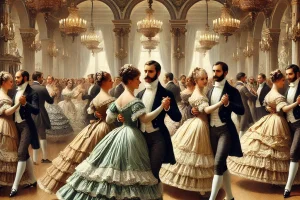
The contradanza was the first European-derived dance form to take root in Cuba and begin transforming under African influence. It is the starting point of the Cuban salon dance lineage that would eventually produce danzón, mambo"> mambo, and cha-cha-chá.
Lees meer >Timba is the music this site is dedicated to exploring. It emerged as a distinct genre in the late 1980s and crystallized in the early 1990s — born in a moment of social crisis, built on the full accumulated history of Cuban music, and still evolving today.
Lees meer >