Miguel Faílde
Creator of the danzón — Miguel Faílde composed Las Alturas de Simpson in 1879, the piece recognized as the first danzón, establishing Cuba's national dance form for the next half century.
About
Faílde was a cornet player and bandleader from Matanzas who transformed the contradanza/danza tradition into something new: the danzón. His innovation was structural — adding a new final section (the trio) to the dance form and giving the ensemble more freedom to improvise and develop themes. The danzón's characteristic structure (introduction, repeated sections, trio) and its refined, couple-based dance format defined Cuban ballroom culture from the 1880s through the early 20th century.
Matanzas — where Faílde lived and worked — was a center of both Afro-Cuban cultural life and refined European salon music, and the danzón emerged from that synthesis. The genre would later develop further through Antonio Arcaño's charanga innovations and the addition of the mambo section by Cachao and Orestes López.
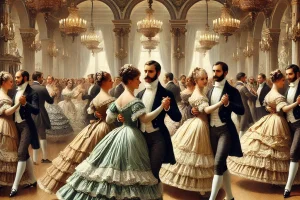
The contradanza was the first European-derived dance form to take root in Cuba and begin transforming under African influence. It is the starting point of the Cuban salon dance lineage that would eventually produce danzón, mambo, and cha-cha-chá.
Lees meer >Rumba is the most African-rooted of all Cuban music and dance forms — born in the streets, courtyards, and docks of Havana and Matanzas in the late 19th century, with no European instruments, no salon setting, and no pretense of European propriety.
Lees meer >Mambo
In Cuban music, especially in salsa and son,
the "mambo" section typically refers to a brassy, rhythmically intense instrumental break,
often featuring repetitive horn lines, call-and-response patterns, and building energy toward the climax of a song.
Son dance is the foundation of all Cuban popular partner dancing — smooth, intimate, grounded, and musical. Every Cuban dance style that followed (mambo, casino, timba) builds on the body vocabulary and structure established by son.
Lees meer > Cuba is the largest island in the Caribbean and the birthplace of some of the world's most influential music and dance traditions. African, Spanish, and French cultural streams collided here over centuries of colonial history, producing an extraordinary creative culture that exported itself across the globe.
Lees meer >The following dances have their origin in Matanzas: