Cha-cha-chá
The cha-cha-chá was born from a simple observation: dancers were struggling to follow mambo. Its creator gave them a rhythm they could feel in their feet — and the result became one of the most danced music styles in history.
Creation: 1953
Enrique Jorrín was a violinist and composer in the charanga orchestra América (directed by Ninón Mondéjar) in the early 1950s. Watching dancers on the floor, he noticed that mambo's rhythmic complexity left many people behind — they couldn't find where to step.
Jorrín began composing pieces with a simplified, more approachable rhythmic character. He shifted the emphasis to put the beat in a place where non-trained dancers could naturally feel it, and added a characteristic three-step figure — the chacachá — that gave the genre its name and gave dancers a clear, physically satisfying movement.
His 1953 recording "La Engañadora" is recognized as the first cha-cha-chá. Audiences immediately understood it — they could feel exactly where to step and what to do with their bodies.
Musical Character
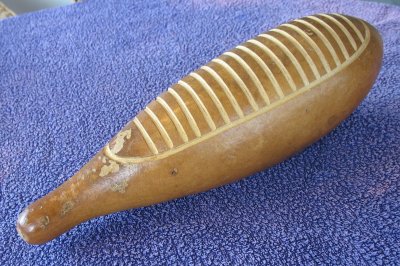
Cha-cha-chá retained the charanga ensemble (flute, violins, piano, bass, güiro, timbales) but with:
- Slower tempo than mambo — more approachable, more relaxed
- Clear rhythmic emphasis — the characteristic cha cha chá figure lands unambiguously
- Refined melodic character — Jorrín was a composer in the European-influenced tradition; his melodies were clean and singable
- Call-and-response vocals — the coro structure of son/mambo carried forward
The Dance
Cha-cha-chá dance is characterized by:
- The three-step (chacachá) that gives the genre its name
- A more contained, elegant style than mambo — less athleticism, more refinement
- Partner dancing in a moderate embrace — not as close as danzón, not as open as mambo
- Clear rhythmic anchoring that made it accessible to social dancers without extensive training
This accessibility was the key to cha-cha-chá's global success. Where mambo demanded fluency, cha-cha-chá welcomed beginners.
International Explosion
Cha-cha-chá spread internationally faster than almost any Cuban genre before it. By the mid-1950s it was being played in Europe, Latin America, the United States, and Asia. It became a ballroom dance standard — codified, taught in dance studios, and included in international competitions.
It is still danced worldwide today, making it arguably the most globally persistent of all Cuban dance genres.
Key Artists
- Enrique Jorrín — creator; his compositions defined the classic cha-cha-chá sound
- Orquesta Aragón — the definitive cha-cha-chá charanga orchestra; their recordings from the 1950s–60s are the benchmark
- Richard Egües — flutist of Orquesta Aragón; his flute style defined the charanga sound for a generation
Cha-cha-chá and Timba
Though stylistically distant from timba, cha-cha-chá is part of the same lineage. The charanga format it used (flute, violins) occasionally resurfaces in timba arrangements as a textural contrast. More importantly, the accessibility principle — making complex Cuban rhythms danceable for everyone — is something timba takes in the opposite direction: it makes Cuban rhythm as challenging and intense as possible, and trusts that trained dancers will rise to meet it.