Charanga - genre
Dances
- Danzón – The quintessential Cuban ballroom dance, elegant and formal, often seen as the "national dance of Cuba."
- Danzonete – A sung variant of danzón that became popular in the 1920s–30s.
- Cha-cha-chá – Created in the 1950s by Enrique Jorrín while playing with a charanga; specifically designed for charanga orchestras.
- Pachanga – A playful dance and rhythm from the late 1950s/early 1960s, closely linked to charanga bands.
- Mambo (in its earlier Cuban form) – Before the big-band New York mambo, charangas also played early mambo-style danzones.
- Charanga is a Cuban ensemble style and musical tradition that dates back to the early 20th century. It became especially popular in the 1940s–50s and played a crucial role in the evolution of salsa, timba, and Latin jazz.
Key Features
-
Instrumentation
- Flute (typically wooden, later metal) – carries melodic lines and improvisations.
- Violins – play harmonized riffs, counter-melodies, and rhythmic patterns.
- Piano – provides guajeos (repeated ostinato figures).
- Bass – often acoustic upright, outlining the tumbao.
- Percussion – timbales, güiro, congas (later bongos sometimes).
- Vocals & coro – lead singer plus call-and-response backing vocals.
-
Sound
- Elegant, light, and melodic compared to heavier brass-driven Cuban conjunto and salsa.
- Violins create a chamber-like, almost classical texture blended with Afro-Cuban rhythms.
- Flute adds agility and brightness.
Historical Context
-
Origins:
Charanga ensembles evolved from the earlier orquesta típica, which featured brass instruments. The switch to flute and strings created a softer, more danceable sound.
-
Golden era (1940s–1960s):
Bands like Orquesta Aragón (founded 1939, still active) and Fajardo y Sus Estrellas helped popularize charanga worldwide.
-
Dance Connection:
Closely tied to Cuban dance crazes such as danzón, cha-cha-chá, and pachanga.
Legacy
- Influence on salsa: Many New York salsa bands (e.g., Eddie Palmieri, Johnny Pacheco) drew inspiration from charanga’s flute-and-strings format.
- Influence on timba: Later timba groups referenced charanga textures, occasionally bringing violins back into modern arrangements.
- Survival: Though not as mainstream today, charanga ensembles remain active, especially in Cuba, France, and New York.
Recommended Listening
- 🎶 Orquesta Aragón – El Bodeguero (classic cha-cha-cha)
- 🎶 José Fajardo y Sus Estrellas – La Pachanga
- 🎶 Charanga Habanera (early period) – a modernized take bridging timba and charanga roots
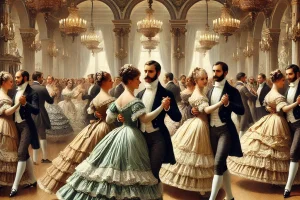
The contradanza was the first European-derived dance form to take root in Cuba and begin transforming under African influence. It is the starting point of the Cuban salon dance lineage that would eventually produce danzón, mambo, and cha-cha-chá.
Lees meer >The cha-cha-chá was born from a simple observation: dancers were struggling to follow mambo. Its creator gave them a rhythm they could feel in their feet — and the result became one of the most danced music styles in history.
Lees meer > Timba is the music this site is dedicated to exploring. It emerged as a distinct genre in the late 1980s and crystallized in the early 1990s — born in a moment of social crisis, built on the full accumulated history of Cuban music, and still evolving today.
Lees meer >Danzonete is the sung evolution of danzón — the bridge between the purely instrumental danzón of the 19th and early 20th century and the vocal popular music that would follow.
Lees meer >A Cuban popular dance music genre that emerged in the 1980s–90s
- emerged in the 1980s–90s
- influenced by songo, rumba, funk, blues, jazz, pop, rock and Afro-Cuban rhythms.
- Known for complex rhythm shifts, aggressive bass lines, and high energy that push dancers to improvise.
Lees meer >
- Coro = the Choir, sings a repeating phrase.
- Pregón = the lead singer sings varying or improvised lines
Lees meer >Mambo
In Cuban music, especially in salsa and son,
the "mambo" section typically refers to a brassy, rhythmically intense instrumental break,
often featuring repetitive horn lines, call-and-response patterns, and building energy toward the climax of a song.
Son dance is the foundation of all Cuban popular partner dancing — smooth, intimate, grounded, and musical. Every Cuban dance style that followed (mambo, casino, timba) builds on the body vocabulary and structure established by son.
Lees meer >Cuban music is built on percussion. The extraordinary density and variety of Cuban rhythmic culture reflects the meeting of West and Central African drumming traditions with Spanish, Haitian, and creole musical practices over four centuries. The instruments below form the core percussive vocabulary heard across Son, Rumba, Timba, Danzón, and their descendants.
Lees meer >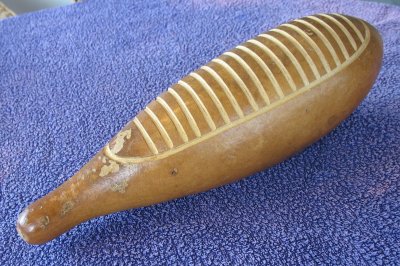
The güiro is a notched gourd scraped with a stick or fork to produce a rasping, rhythmic sound. It is a standard feature of charanga orchestras and is central to danzón, cha-cha-chá, son, and salsa.
Lees meer >
The bongo is a pair of small open-bottomed drums played with fingers and palms. It originated in eastern Cuba and became one of the defining percussion voices of son and timba.
Lees meer >The timbales ( pailas criollas) are a pair of shallow, metal-shell drums mounted on a stand, played with wooden sticks. They are the rhythmic engine of charanga orchestras and play a critical role in timba.
Lees meer > Timba, the explosive and rhythmically rich genre of Cuban dance music, transformed how the bass functions in popular music. In Timba, the bass is not just foundational — it’s fiery, funky, and free.
Lees meer >The piano is the harmonic and rhythmic heart of Cuban popular music. In timba, it is one of the most demanding and expressive instruments in the ensemble.
Lees meer >The piano is the harmonic and rhythmic heart of Cuban popular music. In timba, it is one of the most demanding and expressive instruments in the ensemble.
Lees meer >The trombone is the defining brass voice of timba. Where earlier Cuban popular music relied primarily on trumpets, timba shifted the brass weight toward trombones — giving the music a deeper, darker, more aggressive horn sound.
Lees meer > Cuba is the largest island in the Caribbean and the birthplace of some of the world's most influential music and dance traditions. African, Spanish, and French cultural streams collided here over centuries of colonial history, producing an extraordinary creative culture that exported itself across the globe.
Lees meer > France's influence on Cuban music arrived primarily through the Caribbean colonial world and the Haitian migration. Its impact on Cuban dance history is substantial — the entire lineage from Contradanza to Cha-cha-chá passes through French culture.
Lees meer >