Son-moderno - genre
Evoluciones posteriores (años 50 – presente), fusionándose con el jazz, la salsa, la timba y otros géneros.
Instrumentos:
Formación completa de banda de salsa:
👉 Sonido mucho más grande, híbrido de son cubano + jazz + música latina moderna.
Timba is the music this site is dedicated to exploring. It emerged as a distinct genre in the late 1980s and crystallized in the early 1990s — born in a moment of social crisis, built on the full accumulated history of Cuban music, and still evolving today.
Lees meer >El baile de son es la base de toda la danza popular cubana de pareja — suave, íntimo, arraigado y musical. Cada estilo de baile cubano que siguió ( mambo, casino, timba) se basa en el vocabulario corporal y la estructura establecidos por el son.
Lees meer >Un género de música popular bailable cubana que surgió en los años 1980–90
- Surgió en los años 1980–90
- Influenciado por el songo, la rumba, el funk, el blues, el jazz, el pop, el rock y los ritmos afrocubanos.
- Conocido por sus complejos cambios de ritmo, líneas de bajo agresivas y alta energía que impulsan a los bailadores a improvisar.
Lees meer >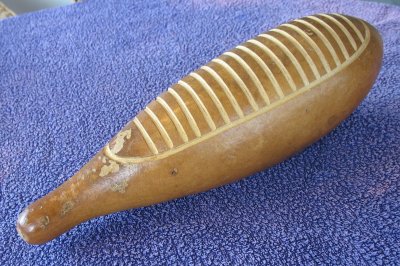
El güiro es una calabaza con muescas que se raspa con un palillo o un tenedor para producir un sonido rasposo y rítmico. Es un elemento habitual de las orquestas de charanga y ocupa un lugar central en el danzón, el cha-cha-chá, el son y la salsa.
Lees meer >
El bongo es un par de tambores pequeños de fondo abierto que se toca con los dedos y las palmas. Se originó en el oriente de Cuba y se convirtió en una de las voces percutivas definitorias del son y la timba.
Lees meer >
La conga (también llamada tumbadora) es el tambor de mano principal de la música cubana y la columna vertebral rítmica de la timba, el son, la rumba y la salsa.
Lees meer >Los timbales ( pailas criollas) son un par de tambores poco profundos con casco metálico montados sobre un soporte y tocados con baquetas de madera. Son el motor rítmico de las orquestas de charanga y desempeñan un papel fundamental en la timba.
Lees meer >
El tres es un instrumento cubano parecido a la guitarra, con tres pares (coros) de cuerdas. Es el instrumento melódico-rítmico definitorio del son cubano y sus géneros predecesores.
Lees meer >La guitarra eléctrica no es un instrumento central en la música cubana tradicional, pero en la timba aparece como portadora de la energía del funk, el rock y el R&B — reflejando la apropiación del género de la música popular americana junto a sus raíces afrocubanas.
Lees meer >El bajo eléctrico es el instrumento de bajo dominante en la timba y la música popular cubana moderna, reemplazando al contrabajo desde los años 70 en adelante. En la timba específicamente, el bajo eléctrico se convirtió en una voz principal — ardiente, improvisatorio y profundamente integrado con la percusión.
Lees meer >El piano es el corazón armónico y rítmico de la música popular cubana. En la timba, es uno de los instrumentos más exigentes y expresivos del conjunto.
Lees meer >El trombón es la voz de metales más característica de la timba. Mientras que la música popular cubana anterior se apoyaba principalmente en las trompetas, la timba desplazó el peso de los metales hacia los trombones, otorgando a la música un sonido de viento más grave, oscuro y agresivo.
Lees meer >