Ejemplos de son - genre
Un estilo más desarrollado (Arsenio Rodríguez en los años 40), que enfatiza la llamada y respuesta, las secciones de montuno y un ritmo más pesado — este es el ancestro directo de la salsa. Instrumentos:
- Tres (a menudo eléctrico o en estilo más percusivo)
- Piano (que reemplaza o se une a la guitarra como base armónica y para los "tumbaos")
- Contrabajo
- Bongó
- Congas (una adición estándar ahora)
- Claves
- Maracas y Güiro
- Varias Trompetas (o sección completa de metales)
👉 Conjuntos más grandes (ensambles mayores), sección rítmica potente.
Montuno
La cencerro ( campana)
🛎️ 1. Rol general de la campana
🎹 2. Sección de Montuno
El montuno es la sección de call-and-response hacia el final de una pieza de salsa o son, donde todo se abre rítmicamente.
- El patrón de campana se vuelve estable y propulsor, a menudo el patrón de "campana de salsa":
(Golpes en 1, el "&" del 2, 4 y el "&" del 4)
- El bongocero cambia de los tambores de mano a la campana en este punto.
- La campana marca el tiempo sobre la clave y apoya el patrón de piano del montuno, el tumbao del bajo y los riffs de metales.
Así: 🕐 Campana = marcador de tiempo 🎹 Piano = síncopa 🎺 Metales/voces = call & response
🔻 3. Marcha Abajo (sección baja)
- Literalmente "marcha abajo" — esta sección es más calmada, generalmente antes del montuno.
- La campana normalmente no se toca aquí. En cambio, se escuchan principalmente congas, bongós y timbales en instrumentos más suaves como la cáscara (patrón en el aro del timbal).
- El ritmo es más sutil, dejando espacio para la voz o el contenido melódico.
Así:
En marcha abajo, la campana descansa o toca suavemente (si acaso), y el énfasis rítmico recae en la cáscara o el bongó martillo.
🔺 4. Marcha Arriba (sección alta)
- "Marcha arriba" — significa que el groove se intensifica.
- La campana entra con fuerza, marcando el pulso principal.
- El timbalero suele tocar la campana grande ( campana), mientras que el bongocero puede tocar la campana más pequeña para contraste.
- Esta sección trata de energía e impulso — el clímax del baile.
Así:
En marcha arriba, la campana lidera la sección rítmica, sincronizándose con el bajo y la clave para impulsar la música hacia adelante.
🧭 Tabla resumen
| Sección | Quien toca la campana | Función | Patrón típico | Energía |
|---|---|---|---|---|
| Marcha abajo | Normalmente silenciosa o suave (cáscara en su lugar) | Mantiene el groove sutil | Cáscara en timbales | Bajo–Medio |
| Montuno | Bongocero ( campana pequeña) | Mantiene la línea de tiempo del montuno | Patrón de campana de salsa | Medio–Alto |
| Marcha arriba | Timbalero ( campana grande) | Impulsa el ritmo, energía pico | Campana de salsa (más fuerte, más pesada) | Alto |
¿Quieres que añada notación rítmica (en alineación de clave 2–3 y 3–2) para el patrón de campana de cada sección? Eso puede facilitar la visualización de cómo encaja con el resto de la sección rítmica.
Son
El baile de son es la base de toda la danza popular cubana de pareja — suave, íntimo, arraigado y musical. Cada estilo de baile cubano que siguió ( mambo, casino, timba) se basa en el vocabulario corporal y la estructura establecidos por el son.
Lees meer >
Montuno
La cencerro (campana)
🛎️ 1. Rol general de la campana
🎹 2. Sección de Montuno
El montuno es la sección de call-and-response hacia el final de una pieza de salsa o son, donde todo se abre rítmicamente.
- El patrón de campana se vuelve estable y propulsor, a menudo el patrón de "campana de salsa":
(Golpes en 1, el "&" del 2, 4 y el "&" del 4)
- El bongocero cambia de los tambores de mano a la campana en este punto.
- La campana marca el tiempo sobre la clave y apoya el patrón de piano del montuno, el tumbao del bajo y los riffs de metales.
Así: 🕐 Campana = marcador de tiempo 🎹 Piano = síncopa 🎺 Metales/voces = call & response
🔻 3. Marcha Abajo (sección baja)
- Literalmente "marcha abajo" — esta sección es más calmada, generalmente antes del montuno.
- La campana normalmente no se toca aquí. En cambio, se escuchan principalmente congas, bongós y timbales en instrumentos más suaves como la cáscara (patrón en el aro del timbal).
- El ritmo es más sutil, dejando espacio para la voz o el contenido melódico.
Así:
En marcha abajo, la campana descansa o toca suavemente (si acaso), y el énfasis rítmico recae en la cáscara o el bongó martillo.
🔺 4. Marcha Arriba (sección alta)
- "Marcha arriba" — significa que el groove se intensifica.
- La campana entra con fuerza, marcando el pulso principal.
- El timbalero suele tocar la campana grande (campana), mientras que el bongocero puede tocar la campana más pequeña para contraste.
- Esta sección trata de energía e impulso — el clímax del baile.
Así:
En marcha arriba, la campana lidera la sección rítmica, sincronizándose con el bajo y la clave para impulsar la música hacia adelante.
🧭 Tabla resumen
| Sección | Quien toca la campana | Función | Patrón típico | Energía |
|---|---|---|---|---|
| Marcha abajo | Normalmente silenciosa o suave (cáscara en su lugar) | Mantiene el groove sutil | Cáscara en timbales | Bajo–Medio |
| Montuno | Bongocero (campana pequeña) | Mantiene la línea de tiempo del montuno | Patrón de campana de salsa | Medio–Alto |
| Marcha arriba | Timbalero (campana grande) | Impulsa el ritmo, energía pico | Campana de salsa (más fuerte, más pesada) | Alto |
¿Quieres que añada notación rítmica (en alineación de clave 2–3 y 3–2) para el patrón de campana de cada sección? Eso puede facilitar la visualización de cómo encaja con el resto de la sección rítmica.
Marcha abajo
Los términos "marcha abajo" y "marcha arriba" describen diferentes niveles de energía o secciones dentro del montuno.
Lees meer >
Marcha arriba
The terms "marcha abajo" and "marcha arriba" describe different energy levels or sections within the montuno.
Lees meer >
Clave

La clave es un patrón rítmico fundamental y principio organizador de la música cubana. Funciona tanto como patrón musical como concepto rector, profundamente arraigado en las tradiciones afrocubanas.
Lees meer >
Bongo

El bongo es un par de tambores pequeños de fondo abierto que se toca con los dedos y las palmas. Se originó en el oriente de Cuba y se convirtió en una de las voces percutivas definitorias del son y la timba.
Lees meer >
Bongo
El bongo es un par de tambores pequeños de fondo abierto que se toca con los dedos y las palmas. Se originó en el oriente de Cuba y se convirtió en una de las voces percutivas definitorias del son y la timba.
Lees meer >
Cowbell
Timba y Songo Cubanos
Cómo bailar con la Campana (Cowbell)
En la timba y el songo cubanos, la campana (cowbell) no es solo un ritmo — es un sistema de comunicación entre la banda y los bailarines.
Lees meer >
Conga

La conga (también llamada tumbadora) es el tambor de mano principal de la música cubana y la columna vertebral rítmica de la timba, el son, la rumba y la salsa.
Lees meer >
Timbales
Los timbales ( pailas criollas) son un par de tambores poco profundos con casco metálico montados sobre un soporte y tocados con baquetas de madera. Son el motor rítmico de las orquestas de charanga y desempeñan un papel fundamental en la timba.
Lees meer >
Piano
El piano es el corazón armónico y rítmico de la música popular cubana. En la timba, es uno de los instrumentos más exigentes y expresivos del conjunto.
Lees meer >
Piano
El piano es el corazón armónico y rítmico de la música popular cubana. En la timba, es uno de los instrumentos más exigentes y expresivos del conjunto.
Lees meer >
Güiro
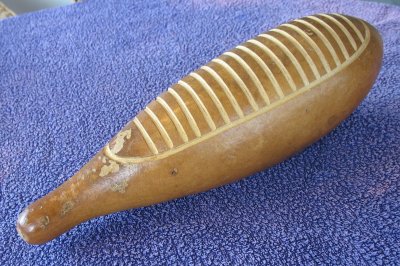
El güiro es una calabaza con muescas que se raspa con un palillo o un tenedor para producir un sonido rasposo y rítmico. Es un elemento habitual de las orquestas de charanga y ocupa un lugar central en el danzón, el cha-cha-chá, el son y la salsa.
Lees meer >
Bongo
El bongo es un par de tambores pequeños de fondo abierto que se toca con los dedos y las palmas. Se originó en el oriente de Cuba y se convirtió en una de las voces percutivas definitorias del son y la timba.
Lees meer >
Conga
La conga (también llamada tumbadora) es el tambor de mano principal de la música cubana y la columna vertebral rítmica de la timba, el son, la rumba y la salsa.
Lees meer >
Tres

El tres es un instrumento cubano parecido a la guitarra, con tres pares (coros) de cuerdas. Es el instrumento melódico-rítmico definitorio del son cubano y sus géneros predecesores.
Lees meer >
Piano
El piano es el corazón armónico y rítmico de la música popular cubana. En la timba, es uno de los instrumentos más exigentes y expresivos del conjunto.
Lees meer >
Piano
El piano es el corazón armónico y rítmico de la música popular cubana. En la timba, es uno de los instrumentos más exigentes y expresivos del conjunto.
Lees meer >